

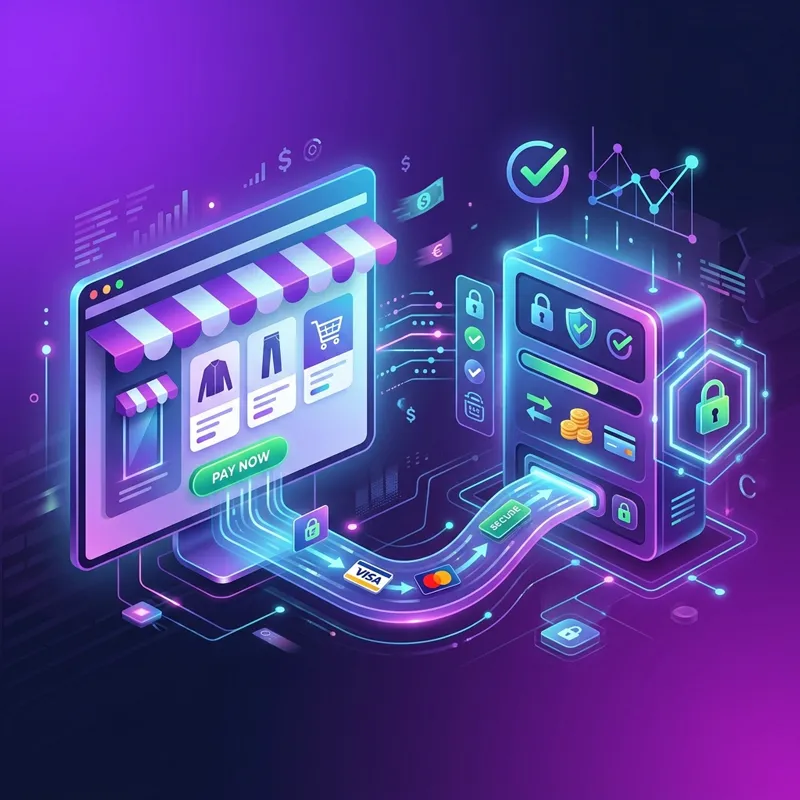
Why Payment Gateways Matter for Every Online Store
Launching an online store is an important step for any business looking to reach more customers and grow beyond the limitations of a physical location. However, creating an attractive website and adding products is only part of building a successful ecommerce business. Customers also need a fast, secure, and reliable way to complete their purchases. This is where a payment gateway becomes one of the most essential components of an online store.
A payment gateway is the technology that securely processes online payments between customers, financial institutions, and merchants. It acts as the bridge that allows customers to pay using their preferred payment methods while protecting sensitive financial information throughout the transaction. Without a payment gateway, businesses would have to rely on manual payment methods that are slower, less convenient, and often less trustworthy.
Today's online shoppers expect checkout to be simple and seamless. When customers decide to purchase a product, they want to complete the payment in just a few clicks. If the checkout process feels confusing, slow, or insecure, many shoppers will abandon their carts before finishing the purchase. Studies consistently show that complicated payment experiences are one of the leading causes of cart abandonment in ecommerce.
A reliable payment gateway helps eliminate these barriers by creating a smooth checkout experience. Customers can complete transactions quickly without worrying about payment security or technical issues. This convenience not only improves customer satisfaction but also increases the likelihood that visitors will complete their purchases instead of leaving the website.
Security is another major reason every online store needs a payment gateway. Online shoppers share sensitive information such as payment card details, billing information, and personal data during checkout. Protecting this information is essential for maintaining customer trust and safeguarding the reputation of an ecommerce business.
Modern payment gateways use advanced encryption, secure authentication, and fraud prevention technologies to protect every transaction. These security measures reduce the risk of unauthorized access and help businesses comply with industry security standards. When customers recognize that an online store uses secure payment processing, they are more likely to feel confident about making a purchase.
Beyond security and convenience, payment gateways also improve business efficiency. Instead of manually confirming payments, tracking bank transfers, or handling payment-related inquiries, businesses can automate much of the payment process. Orders can be confirmed more quickly, inventory can be updated automatically, and businesses can spend more time focusing on customer service, marketing, and growth.
Another important advantage of using a payment gateway is its ability to support business scalability. As an online store grows, managing an increasing number of transactions manually becomes difficult and time-consuming. A professional payment system allows businesses to handle larger sales volumes without sacrificing speed or accuracy. Whether a business processes a handful of orders each day or thousands of transactions every month, a reliable payment gateway helps ensure the payment experience remains fast and consistent.
Payment gateways also contribute directly to higher conversion rates. Customers are more likely to complete purchases when they can use familiar and trusted payment methods. A simple, secure checkout process reduces hesitation and encourages buyers to finalize their orders, ultimately leading to increased revenue and stronger customer loyalty.
For businesses using an all-in-one ecommerce platform like Webruno, integrating online payments becomes even easier. Instead of managing separate tools for website development, ecommerce functionality, and payment processing, businesses can create a connected online selling experience that simplifies store management while delivering a professional checkout experience for customers.
Ultimately, a payment gateway is much more than a tool for accepting payments. It is a critical part of the overall customer experience, helping businesses build trust, improve operational efficiency, increase conversion rates, and create a solid foundation for long-term ecommerce growth. Without a reliable payment solution, even the best-designed online store may struggle to convert visitors into satisfied, returning customers.
What Is a Payment Gateway and How Does It Work?
Accepting online payments may seem simple from a customer's perspective. A shopper selects a product, enters their payment details, clicks the payment button, and receives an order confirmation within seconds. Behind this quick process, however, multiple systems work together to verify payment information, communicate with financial institutions, and ensure that every transaction is completed securely.
A payment gateway is the technology that makes this entire process possible. It acts as the communication bridge between your online store, your customer's payment method, and the financial institutions responsible for approving or declining the transaction. Understanding how payment gateways work helps businesses choose the right solution and create a safer, smoother checkout experience for their customers.
What Is a Payment Gateway?
A payment gateway is a secure technology that authorizes and processes online payments for ecommerce websites. It transfers payment information between the customer, the online store, the payment processor, and the customer's bank while protecting sensitive financial data throughout the transaction.
Whenever a customer makes a purchase online, the payment gateway encrypts the payment details before sending them for authorization. This encryption ensures that confidential information such as credit card numbers or other payment credentials cannot be intercepted during transmission.
Instead of simply collecting payments, a payment gateway performs several important tasks that help both customers and businesses complete transactions safely and efficiently.
A payment gateway helps businesses:
- Accept secure online payments
- Verify customer payment information
- Encrypt sensitive payment data
- Communicate with banks and payment providers
- Confirm successful transactions
- Reduce payment fraud
- Create a faster checkout experience
Without a payment gateway, online businesses would need to manually verify payments, confirm transactions, and update orders, creating delays and increasing the risk of errors.
Modern payment gateways also support multiple payment methods, allowing customers to choose the option that is most convenient for them. This flexibility improves customer satisfaction because shoppers are more likely to complete a purchase when their preferred payment method is available.
For ecommerce businesses, a payment gateway is not simply a payment tool—it is a critical part of the overall shopping experience that directly affects customer trust and conversion rates.
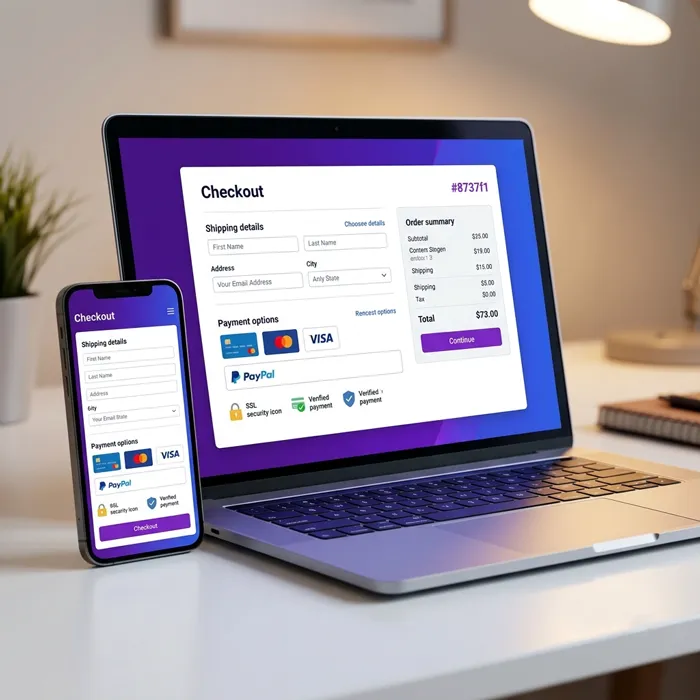
How Does an Online Payment Gateway Process a Transaction?
Although online payments happen within a few seconds, several systems work together behind the scenes to complete every transaction securely.
A typical payment process follows these steps:
Customer Places an Order
↓
Customer Enters Payment Information
↓
Payment Gateway Encrypts the Data
↓
Payment Processor Contacts the Customer's Bank
↓
Bank Approves or Declines the Transaction
↓
Payment Confirmation Is Sent to the Website
↓
Order Is Successfully Completed
The process begins when a customer adds products to their shopping cart and proceeds to checkout.
After entering payment information, the payment gateway immediately encrypts the customer's payment details. Encryption protects sensitive information while it travels across different networks.
The payment gateway then forwards the encrypted information to the payment processor, which communicates with the customer's bank or financial institution.
The bank checks several factors before making a decision, including:
- Whether sufficient funds are available
- Whether the payment information is valid
- Whether the transaction appears legitimate
- Whether any fraud prevention rules have been triggered
If the payment is approved, the authorization is returned through the payment gateway to the online store.
The customer immediately receives confirmation that the payment has been accepted, and the order can move to fulfillment.
If the payment is declined, the customer is notified so they can try another payment method or correct any payment information.
This entire process usually takes only a few seconds, creating a fast and convenient shopping experience while maintaining high security standards.
Types of Payment Gateways
Not every payment gateway works in the same way. Different businesses have different requirements depending on their size, technical resources, customer expectations, and ecommerce goals.
Understanding the main types of payment gateways helps businesses choose the solution that best fits their online store.
Hosted Payment Gateways
Hosted payment gateways redirect customers from the online store to a secure payment page managed by the payment provider.
After completing the payment, customers are automatically redirected back to the merchant's website.
Hosted payment gateways are popular because they simplify payment security and reduce the technical responsibilities of the business.
Advantages include:
- Easy implementation
- Strong security managed by the provider
- Lower technical maintenance
- Reliable payment infrastructure
However, redirecting customers away from the website may create a less seamless shopping experience for some users.
Integrated Payment Gateways
Integrated payment gateways allow customers to complete payments directly within the online store without leaving the website.
The checkout experience remains consistent with the store's branding, creating a smoother purchasing journey.
Benefits include:
- Better user experience
- Faster checkout
- Stronger brand consistency
- Reduced customer distraction during payment
Integrated payment gateways often require more setup and technical integration, but they provide a more professional ecommerce experience.
API-Based Payment Gateways
API-based payment gateways provide businesses with greater flexibility and customization.
Developers can integrate payment functionality directly into websites or applications while maintaining complete control over the checkout experience.
These solutions are commonly used by larger ecommerce businesses or companies with custom technical requirements.
Advantages include:
- Highly customizable checkout
- Advanced payment features
- Greater flexibility
- Better integration with existing systems
However, API-based solutions generally require technical expertise for implementation and maintenance.
All-in-One Ecommerce Payment Solutions
Many modern ecommerce platforms simplify payment integration by combining website building, ecommerce management, and payment capabilities within a single system.
Instead of connecting multiple third-party tools, businesses can manage products, orders, customers, and online payments through one centralized platform.
This approach reduces complexity, saves time, and creates a more consistent experience for both business owners and customers.
For businesses using platforms like Webruno, payment integration becomes much easier because ecommerce management, customer information, and online selling tools work together within the same ecosystem. This allows businesses to focus on growing their online store instead of managing multiple disconnected systems.
Understanding how payment gateways work and selecting the right type for your business is an important step toward creating a secure, professional, and efficient online shopping experience. A reliable payment solution not only protects customer information but also improves trust, increases conversion rates, and supports the long-term growth of your ecommerce business.
How to Connect a Payment Gateway to Your Online Store
Connecting a payment gateway to your online store is one of the most important steps in building a successful ecommerce business. A secure and reliable payment system allows customers to complete purchases quickly while giving businesses a professional and efficient way to manage online transactions.
Although the process may sound technical, modern ecommerce platforms have made payment gateway integration much easier. By following a few key steps, businesses can begin accepting online payments with confidence.
Step 1: Choose the Right Payment Gateway
The first step is selecting a payment gateway that fits your business needs. Not every payment provider offers the same features, so it's important to compare your options before making a decision.
When evaluating a payment gateway, consider factors such as:
- Security features
- Transaction fees
- Supported payment methods
- Ease of integration
- Customer support
- Reliability and uptime
The right payment gateway should provide a secure checkout experience while making it easy for customers to complete their purchases.
Step 2: Create and Verify Your Account
After selecting a payment provider, you'll need to create a merchant account.
Most payment gateway providers require businesses to submit basic information, including:
- Business name
- Contact details
- Website URL
- Business registration information
- Banking details
Verification helps ensure that payments are processed securely and protects both merchants and customers from fraudulent activity.
Once your account has been approved, you'll receive the credentials needed to connect the payment gateway to your website.
Step 3: Configure Payment Settings
Before accepting live payments, configure your payment settings according to your business requirements.
Typical settings include:
- Currency selection
- Accepted payment methods
- Payment confirmation options
- Refund settings
- Tax preferences
Taking the time to review these settings ensures that customers experience a smooth checkout process and that payments are handled correctly.
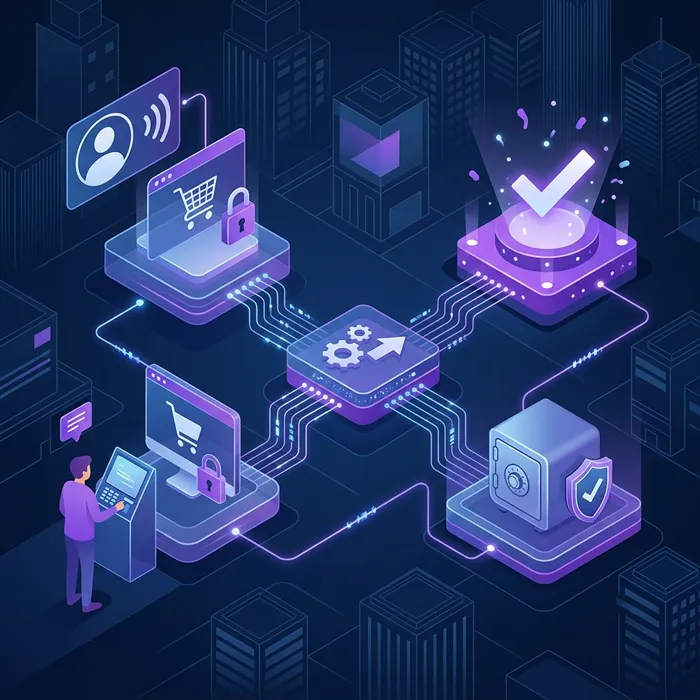
Step 4: Connect the Gateway to Your Website
The next step is integrating the payment gateway with your online store.
The integration process depends on the platform you're using. Traditional websites may require custom development or plugins, while modern ecommerce platforms simplify this process with built-in integrations.
With Webruno, businesses can create an online store and manage ecommerce operations through one platform, making payment integration faster and easier without unnecessary technical complexity.
After the gateway is connected, customers will be able to choose their preferred payment method during checkout and complete purchases securely.
Step 5: Test Your Checkout Experience
Before launching your online store, it's essential to test the entire payment process.
Run several test transactions to make sure that:
- Payments are processed successfully
- Order confirmations are generated
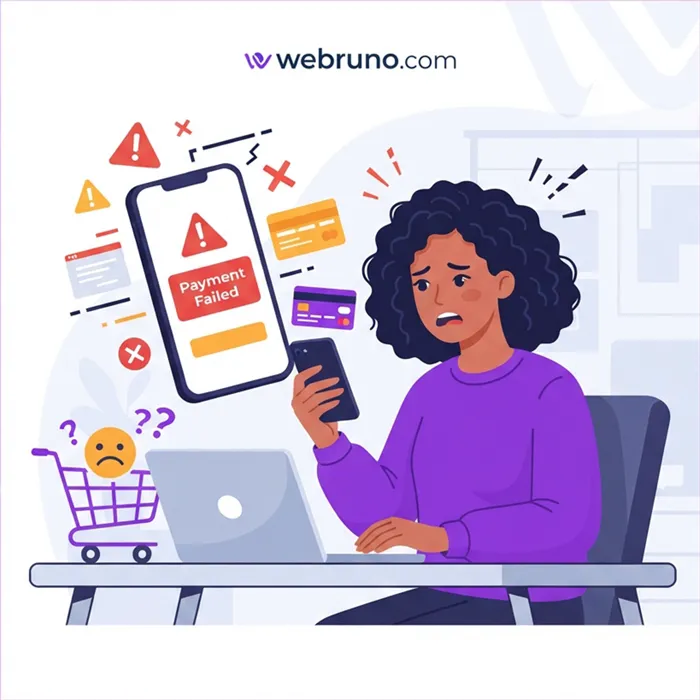
- Failed payments are handled correctly
- Customers receive a smooth checkout experience
Testing also allows you to identify and resolve potential issues before real customers begin placing orders.
A properly tested payment system helps build trust, reduces checkout problems, and ensures that your online store is ready for successful ecommerce operations.
By following these five steps, businesses can create a secure and reliable payment experience that supports customer satisfaction and long-term ecommerce growth. Modern platforms like Webruno make this process even simpler by combining website building, ecommerce management, and payment capabilities into one integrated solution.
Common Payment Gateway Integration Mistakes
Connecting a payment gateway is an important milestone for any online store, but simply completing the integration does not guarantee a great customer experience. Small mistakes during setup or checkout design can lead to failed transactions, abandoned carts, and lost sales.
Understanding these common issues can help businesses create a smoother, more secure payment experience while improving customer confidence.
Choosing the Wrong Payment Provider
Not every payment gateway is the right fit for every business.
Some providers may have higher transaction fees, limited payment options, or fewer integration features. Choosing a gateway without considering your business needs can create unnecessary challenges as your store grows.
Before making a decision, compare providers based on security, supported payment methods, ease of integration, pricing, and customer support. Selecting the right solution from the beginning can save time and reduce future migration costs.
Ignoring Website Security
Customers need to feel confident that their payment information is protected.
Failing to secure your website with technologies like SSL encryption or using outdated software can reduce customer trust and increase security risks.
A secure website not only protects sensitive information but also helps create a more professional shopping experience that encourages customers to complete their purchases.
Creating a Complicated Checkout Process
A long or confusing checkout process is one of the biggest reasons customers abandon their shopping carts.
Requiring unnecessary information, adding too many checkout steps, or making navigation difficult can increase friction during the buying journey.
A simple checkout should help customers:
- Review their order
- Enter payment information easily
- Complete the purchase quickly
Reducing unnecessary steps often leads to higher conversion rates and better customer satisfaction.
Skipping Payment Testing
Many businesses connect a payment gateway and immediately launch their online store without fully testing the checkout process.
Before accepting real orders, test different payment scenarios to make sure transactions are processed correctly, confirmations are generated, and any failed payments are handled properly.
Identifying problems before customers encounter them helps prevent lost sales and improves the overall shopping experience.
Forgetting Mobile Users
Today, a large percentage of online shoppers complete purchases on smartphones and tablets.
If your checkout process is not optimized for mobile devices, customers may experience slow loading times, difficult navigation, or payment errors.
A mobile-friendly checkout should load quickly, display correctly on smaller screens, and make it easy for users to complete purchases with minimal effort.
By avoiding these common payment gateway integration mistakes, businesses can provide a faster, safer, and more reliable checkout experience. A well-optimized payment process not only improves customer trust but also helps increase completed purchases and supports long-term ecommerce growth.
How Webruno Simplifies Online Payment Integration
Setting up online payments should help your business grow, not add unnecessary technical complexity. Many businesses struggle with connecting different tools for website creation, ecommerce management, payment processing, and customer data, resulting in more time spent on setup and maintenance instead of growing sales.
Webruno simplifies this process by bringing everything together in one platform. Instead of managing multiple systems, businesses can build an online store, manage products, accept payments, and organize customer information through a single solution.
If you're looking for an easier way to launch and manage an ecommerce business, you can explore Webruno's available plans at /plans.
Build Your Store Without Coding
Creating a professional online store no longer requires programming knowledge or hiring developers.
With Webruno, businesses can build and customize their ecommerce website using an intuitive website builder designed for speed and simplicity. This allows entrepreneurs to launch their store faster and focus on growing their business instead of dealing with technical challenges.
Learn more about creating a professional website with Webruno's /website-builder.
Manage Products, Orders, and Payments
Running an online store involves much more than accepting payments. Businesses also need an efficient way to organize products, process orders, and keep daily operations running smoothly.
Webruno helps centralize these tasks in one dashboard, making it easier to manage inventory, monitor orders, and handle online payments without switching between multiple tools. This organized workflow saves time and helps reduce manual errors.
Deliver a Better Checkout Experience
A simple checkout process encourages more customers to complete their purchases.
Webruno helps businesses create a secure and user-friendly payment experience where customers can move from shopping cart to payment with fewer steps. A faster checkout reduces friction, improves customer confidence, and supports higher conversion rates.
Combined with secure payment gateway integration, businesses can provide the smooth shopping experience customers expect from modern ecommerce stores.
Grow Your Business with an All-in-One Platform
As your business grows, managing separate systems for websites, ecommerce, customer data, and payments becomes increasingly difficult.
Webruno provides an all-in-one platform that combines website building, ecommerce management, CRM capabilities, and online payment support into one connected solution. This allows businesses to spend less time managing technology and more time attracting customers, increasing sales, and building long-term relationships.
By simplifying payment integration and centralizing essential business tools, Webruno helps businesses create a scalable ecommerce foundation that supports sustainable growth.
Frequently Asked Questions
What is a payment gateway?
A payment gateway is a secure technology that processes online payments between your customers, your online store, and financial institutions. It encrypts payment information, verifies transactions, and helps businesses accept payments safely while providing customers with a smooth checkout experience.
How do I connect a payment gateway to my website?
The process typically involves choosing a payment provider, creating and verifying your merchant account, configuring your payment settings, integrating the gateway with your website, and testing the checkout process before accepting live payments. Many modern ecommerce platforms simplify this process with built-in integration tools.
Do I need coding skills?
Not necessarily. Many website builders and ecommerce platforms allow businesses to connect payment gateways without programming knowledge. Platforms like Webruno make it easy to build an online store, manage products, and integrate online payments through an intuitive interface.
Which payment gateway should I choose?
The best payment gateway depends on your business needs. Consider factors such as security, supported payment methods, transaction fees, ease of integration, customer support, and reliability. Choosing a trusted provider that works well with your ecommerce platform will help create a better customer experience.
Can Webruno help me accept online payments?
Yes. Webruno helps businesses create professional online stores that support ecommerce operations and payment gateway integration. By combining website building, product management, and customer management in one platform, Webruno makes it easier to launch, manage, and grow an online business.
Final Thoughts
A successful online store depends on more than great products and attractive design. Customers also expect a secure, fast, and reliable payment experience every time they make a purchase.
Secure payments create trust.
When shoppers feel confident that their payment information is protected, they are more likely to complete their orders and return for future purchases. At the same time, a simple and efficient checkout process reduces friction, minimizes cart abandonment, and helps improve conversion rates.
Choosing the right payment gateway is an important step toward building a professional ecommerce business. A reliable payment solution not only processes transactions securely but also enhances the overall customer experience and supports long-term business growth.
With Webruno, businesses can build a professional online store, manage products and orders, integrate online payments, and simplify ecommerce operations through one all-in-one platform. Instead of juggling multiple tools, you can focus on growing your business while delivering a seamless shopping experience for your customers.
Ready to accept online payments with confidence? Build your online store with Webruno today.